
Mastering Formulation Stability: The Ultimate Guide to Polyacrylate Crosspolymer-6 in Modern Cosmetics
What is Polyacrylate Crosspolymer-6? The Science Behind the Texture
Polyacrylate Crosspolymer-6 is a high-molecular-weight, crosslinked synthetic acrylic polymer. Chemically, it is a vinyl-type copolymer comprising the ammonium salt of 2-acrylamido-2-methylpropane sulfonic acid (Ammonium AMPS), dimethylacrylamide, lauryl methacrylate, and laureth-4 methacrylate monomer residues, crosslinked with trimethylolpropane triacrylate.
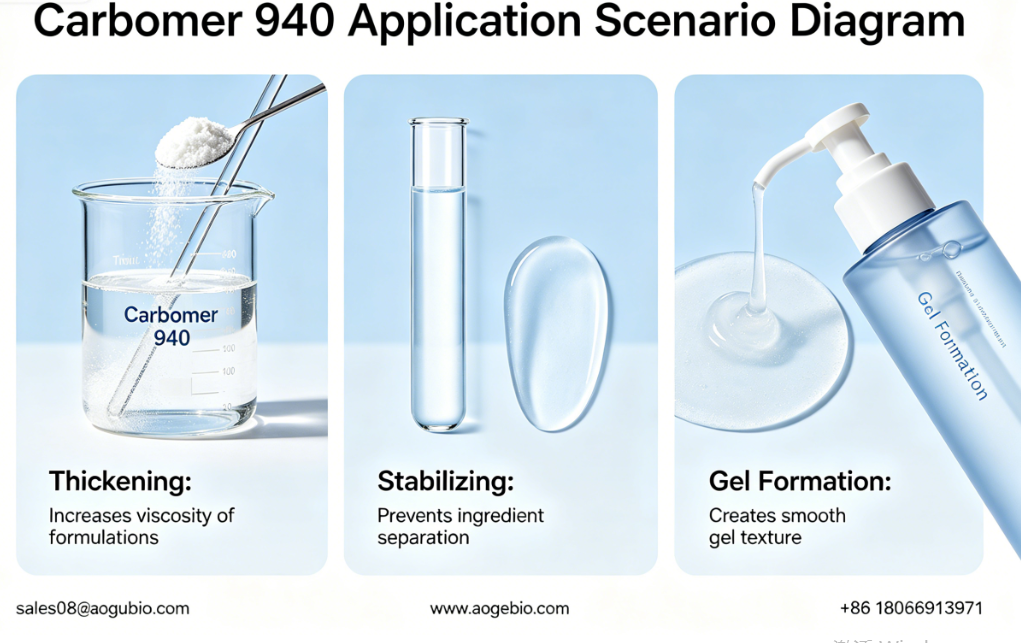
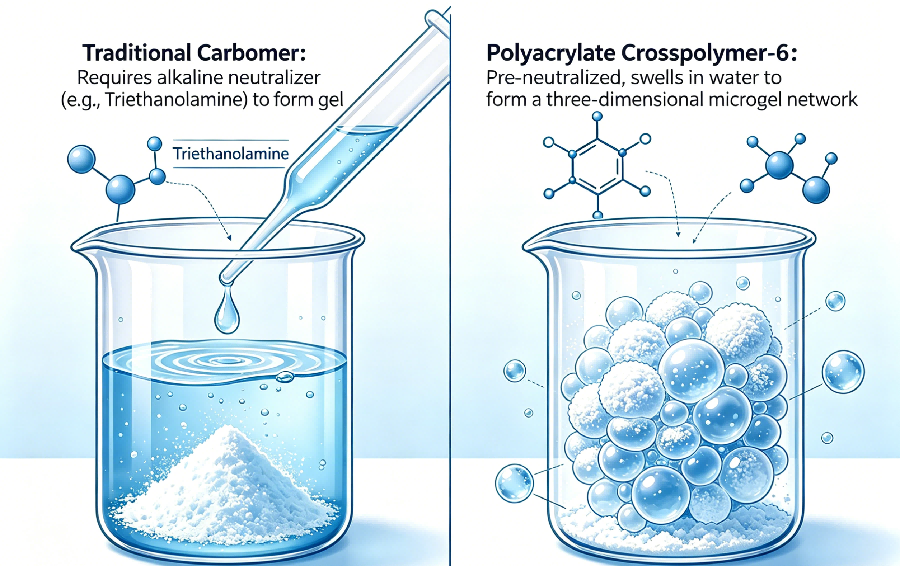
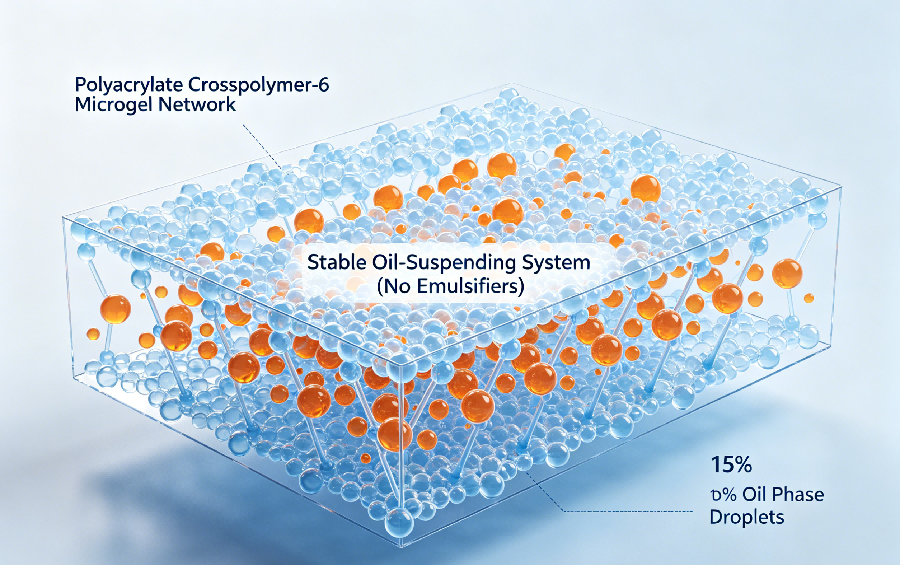
Unlike traditional Carbomers that require alkaline neutralizers (like Triethanolamine or Sodium Hydroxide) to activate their thickening properties, Polyacrylate Crosspolymer-6 ispre-neutralized. When dispersed in water, its polymer chains instantly swell, building a robust, three-dimensional micro-gel network that efficiently traps water molecules and suspends oil droplets.
Core Product Benefits:
- Extreme Electrolyte Tolerance: Traditional thickeners breakdown instantly in the presence of salts. Polyacrylate Crosspolymer-6 maintains structural integrity even in formulas rich in minerals, botanical extracts (like Aloe Vera), or active salts.
- Broad pH Stability: It functions beautifully across a highly versatile pH range, particularly stable from pH 2.0 to 8.0, making it a rare asset for highly acidic formulations.
- Elegant Sensory Profile: It imparts a rich, velvety finish on the skin, completely eliminating the stringy, sticky, or tacky residues often associated with natural gums.
Scientific Backing & Safety Research Reports
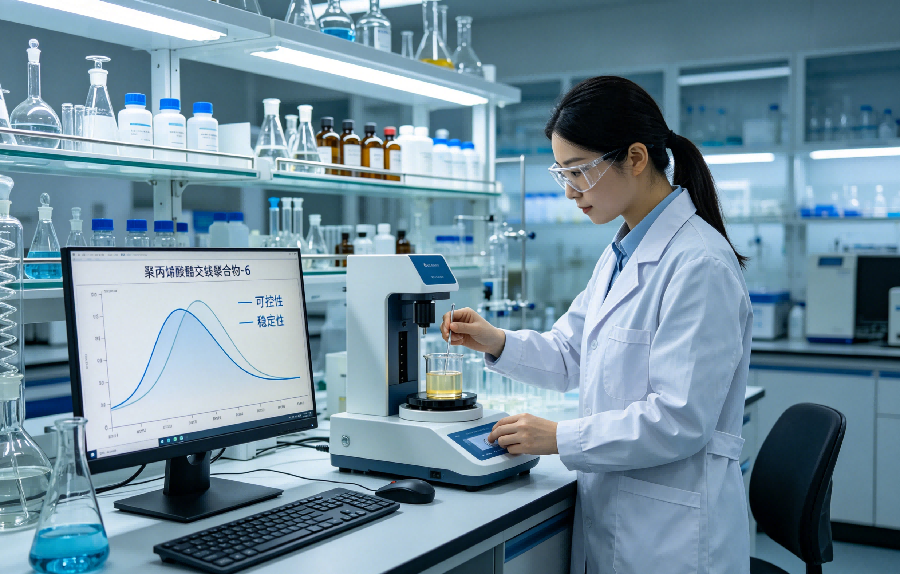
When analyzing cosmetic raw materials, rigorous scientific evaluation is non-negotiable. Polyacrylate Crosspolymer-6 has undergone extensive toxicological and dermatological review, cementing its status as a premium, safe ingredient.
The CIR Expert Panel Evaluation: According to the comprehensive safety data compiled by the Cosmetic Ingredient Review (CIR) Expert Panel, Polyacrylate Crosspolymer-6 is officially declared safe for use in cosmetics. The scientific dossier highlights its high molecular weight (>10,000 Daltons), which prevents it from penetrating the skin barrier, ensuring zero systemic toxicity.
Dermal & Ocular Compatibility: In a Human Repeated-Insult Patch Test (HRIPT) conducted to evaluate skin irritation and sensitization, Polyacrylate Crosspolymer-6 at operational concentrations (~5%) was proven to be entirely non-sensitizing and non-irritating to human skin. Furthermore, in vitro HET-CAM (Hen's Egg Test on the Chorioallantoic Membrane) ocular irritation testing demonstrated that at standard usage levels, the polymer is a non-ocular irritant, making it safe for eye-area applications like mascaras and eye creams.
Frequently Asked Questions: Solving Formulators' Challenges
Q1: Why is Polyacrylate Crosspolymer-6 superior to natural thickeners like Xanthan Gum?
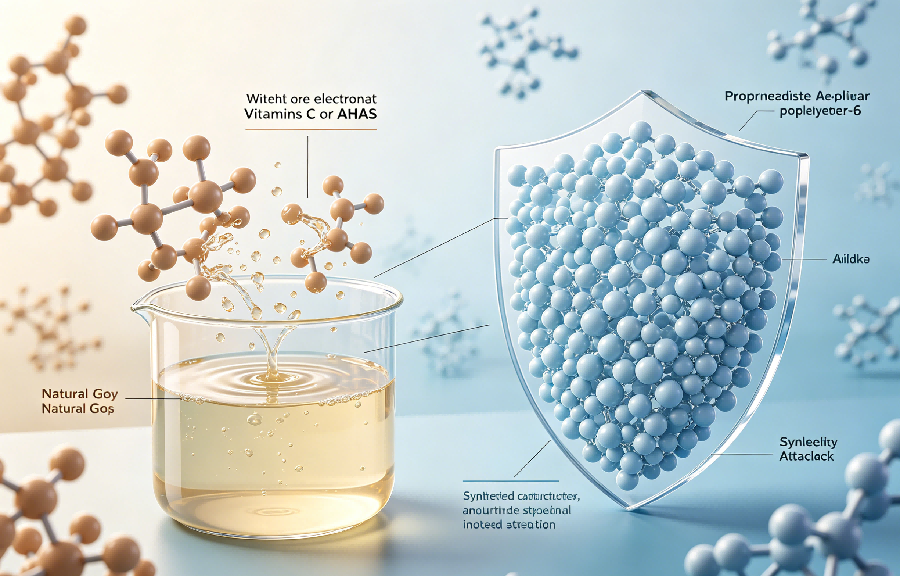
While natural gums have their place in clean-beauty frameworks, they inherently struggle with high concentrations of electrolytes, active ingredients, and low pH levels. Ingredients like Alpha Hydroxy Acids (AHAs) or high-percentage Vitamin C can cause natural gums to collapse, thinning the formula. Polyacrylate Crosspolymer-6 acts as a formulation "shield", remaining entirely inert and unreactive, ensuring the product's shelf life and visual texture remain pristine.
Q2: Can it be used in cold-process manufacturing?
Yes! One of its biggest processing advantages is its compatibility with cold-process manufacturing. It disperses seamlessly in water without requiring heat, which significantly reduces energy consumption, shortens manufacturing cycles, and protects heat-sensitive active ingredients from degradation.
Q3: What is its oil-suspending capability in oil-in-water (O/W) emulsions?
Even in the absolute absence of an emulsifier, Polyacrylate Crosspolymer-6 can stabilize and suspend up to 15% of an oil phase in a gel-cream matrix, thanks to its specific polymeric network design。This allows formulators to create ultra-lightweight, "emulsifier-free" textures suitable for acne-prone or highly sensitive skin.
Market Trends and Future Growth Trajectory
The global polyacrylic acid and derivatives market is expanding rapidly, projected to hit USD 4.67 billion by 2034, growing at a steady CAGR of nearly 7%. Within the personal care segment, the demand for sophisticated textures like "water-break" creams, transparent gel-serums, and clinical peeling solutions is driving the consumption of specialized polymers like Polyacrylate Crosspolymer-6.
Key Market Drivers:
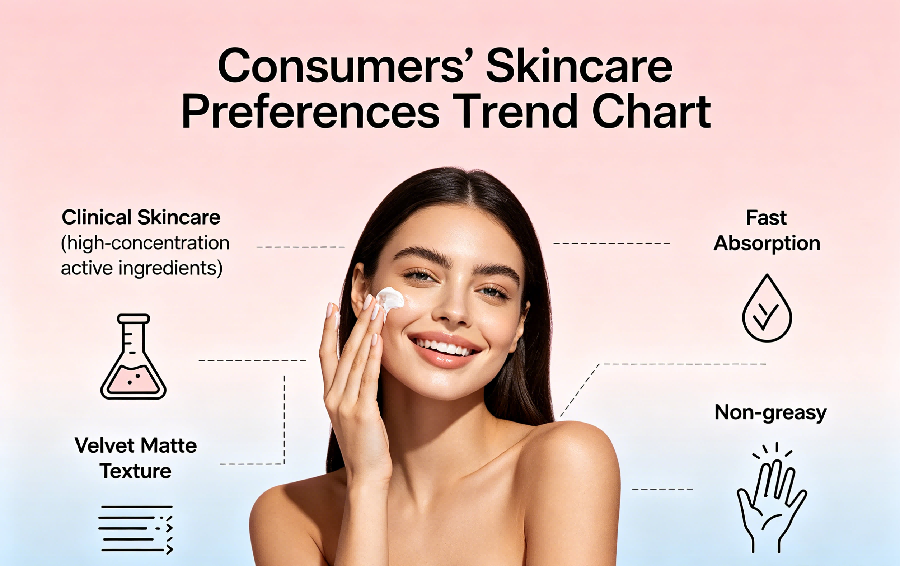
The Rise of Clinical Skincare: Consumers are demanding high-potency actives (Niacinamide, AHA/BHA, Retinol). Formulating these requires robust thickeners that do not degrade under extreme chemical environments.
Sensory-Driven Consumerism: Modern consumers reject heavy, greasy creams. The demand for a "velvety matte finish" and "quick absorption" positions Polyacrylate Crosspolymer-6 as a premier texturizer.
Clean & Efficient Manufacturing: As cosmetic companies commit to sustainability, cold-process compatible ingredients that save factory energy are heavily favored by R&D departments globally.
Strategic Sourcing & Partnership with AOGUBIO
Sourcing premium-grade cosmetic raw materials requires a trusted global partner who understands both the rigorous science and the dynamic market demand.
AOGUBIO is a premier supplier specialized in high-quality cosmetic raw materials, botanical extracts, and performance chemicals. We provide elite-grade Polyacrylate Crosspolymer-6 to global formulators, ensuring unmatched stability, sensory refinement, and compliance for your upcoming product lines.
Contact Our Expert Team
For technical data sheets (TDS), certificates of analysis (COA), sampling, or bulk pricing inquiries, please contact our specialized Sales Manager directly:
- Company Name: AOGUBIO
- Business Manager: Yoyo Liu
- Email: sales04@imaherb.com
- WhatsApp: +8613649251911
Let AOGUBIO help you elevate your formulation architecture and secure market success. Get in touch with Yoyo Liu today!